What is ‘hot air’?
THE BEYOND HOT AIR TEAM – DECEMBER 20, 2023
Beyond Hot Air is a conversation about the green transition and the minerals required to make it happen. As a group of researchers and practitioners, when we first got together to discuss this topic, we realised that in different fields and disciplines (geology, social science, industry, politics) there is a lot of misleading information and…
“Dawn of a global cause”: What if Saudi Arabia became a major mining hub?
SIMON LOBACH – FEBRUARY 19, 2026
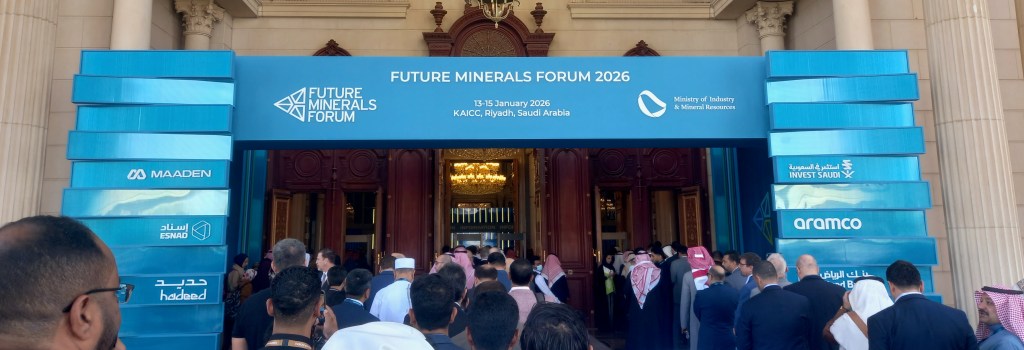
The Future Minerals Forum gathered mining companies, investors and government representatives in Riyadh, Saudi Arabia, in January 2026. The Kingdom has organized and hosted these events for a couple of years, in an effort to become an international mining hub. While delegates discussed how to speed up the extraction of the minerals needed in the energy transition, I wondered whether social and environmental safeguards were truly in safe hands in Saudi Arabia.
Photo credit: Simon Lobach, Future Minerals Forum 2026
Tracing the minerals behind our green future
PAULINA FERNANDEZ, MICHAEL TOST, DANIEL MONFORT CLIMENT & FRANK MELCHER – NOVEMBER 4, 2025
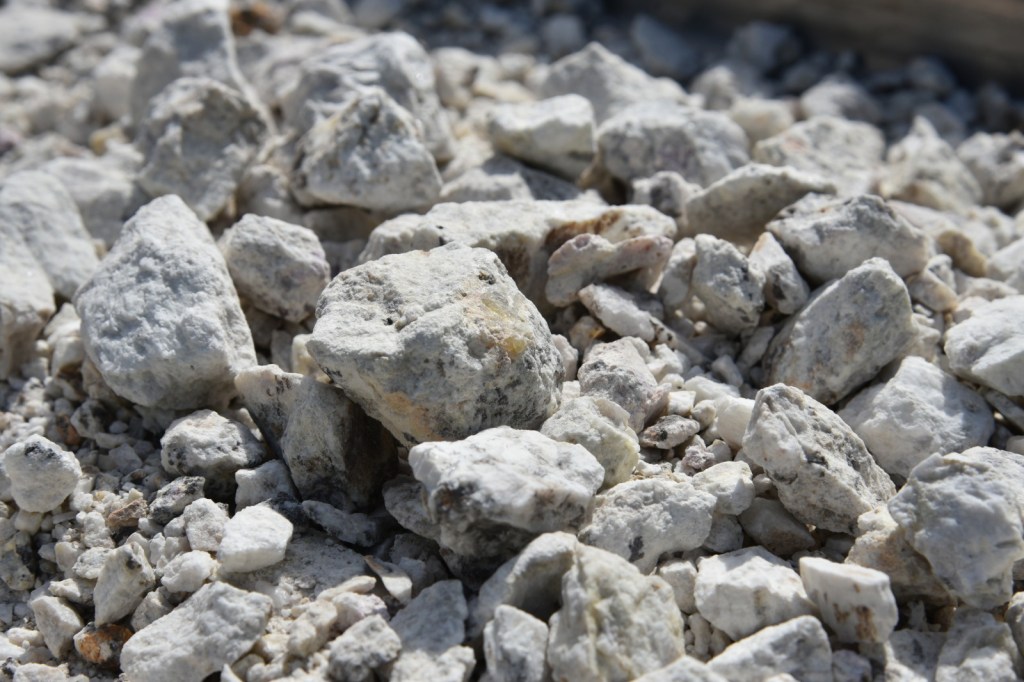
Minerals power our green technologies, but their origins often remain hidden. MaDiTraCe is developing digital and scientific tools to track critical raw materials from the mine to the final product. Transparency in mineral supply chains is key to a truly just green transition.
Photo credit: Lithium, Cyril Boucley, BRGM (French Geological Survey)
Compound exposure: Could our dominant solutions to the climate crisis make things worse?
EMILKA SKRZYPEK & NICK BAINTON – MAY 12, 2025
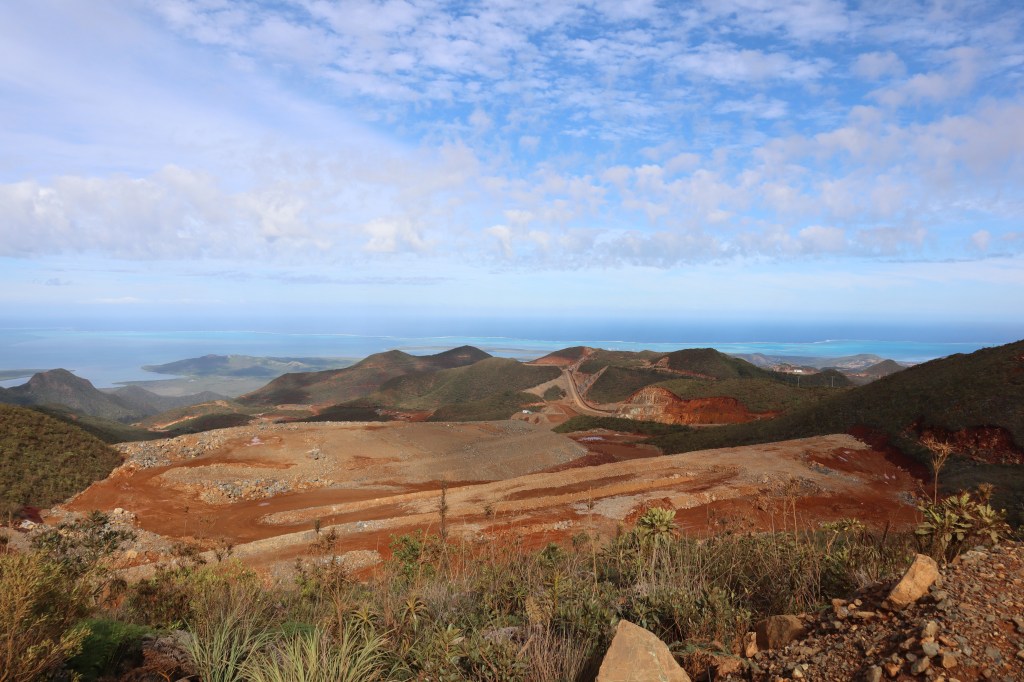
The prevailing solution to our planetary problem is a rapid transition to renewable energy-systems. We explore the contradictions and risks that will accompany this particular solution to climate change. Could our solutions to the climate crisis make things worse?
Photo credit: Research trip, New Caledonia, Emilka Skrzypek
Public engagement in the energy transition: A crucial role for Strategic Environmental Assessment
EMMA WILSON, ANNA LEITNER & VIKTORIA RITTER – APRIL 11, 2025
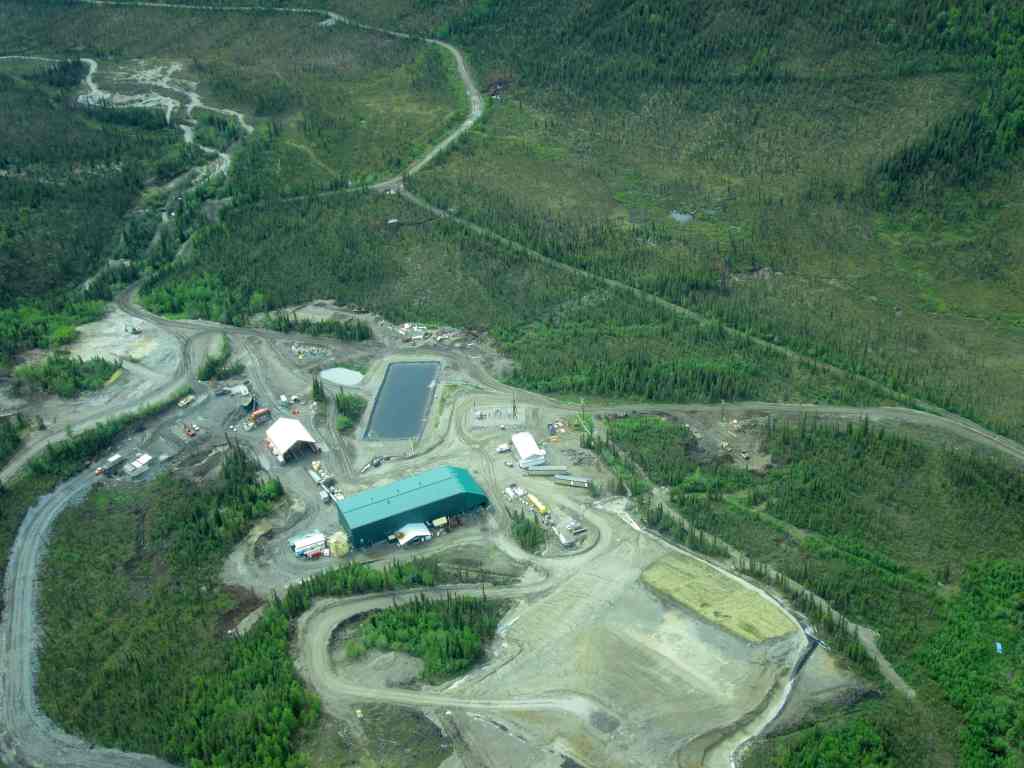
A key assumption associated with the green transition is that fast-tracking can speed up energy transition projects. This includes efforts to reduce the amount of time devoted to public engagement and consultation. In our second Beyond Hot Air webinar on 19 March 2025, we examined the risks of limiting public debate around transition projects, and considered how Strategic Environmental Assessment could enable more meaningful public engagement in government planning processes, before individual projects are approved.
Photo credit: Keno Hill, Yukon, Canada, by Gertrude Saxinger
Advocating slow policy on Deep Sea Mining in the Svalbard Archipelago: Reflections on the ‘Making Use of Arctic Science’ workshop
ARTHUR MASON, GISA WESZKALNYS & SYNNØVE K. BENDIXSEN – MARCH 6, 2025
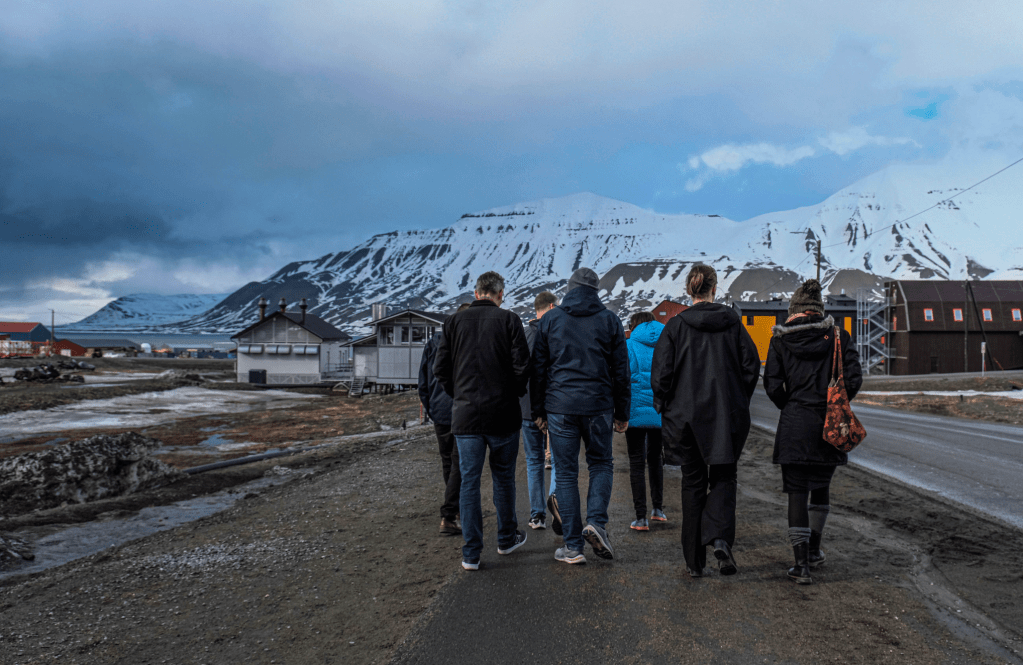
Only sparse knowledge exists about the long-term effects of Deep Sea Mining (DSM) in Arctic and Subarctic regions; at the same time, vulnerable areas of Northern Norway overlap with plans for potential DSM in the Greenland Sea. How might DSM affect marine environments and inhabitants of the Arctic in the long-term? In May 2023, the Norwegian University of Science and Technology and University of California at Berkeley hosted the multidisciplinary workshop Making Use of Arctic Science at The University Centre in Svalbard to advocate for slowing the policy process for DSM in the region.
Photo credit: Ocean Week participants walking in Longyearbyen. Source: Eva Murvold, Making Use of Arctic Science event in May 2023.
What is Political Geology?
ADAM BOBBETTE – FEBRUARY 5, 2025
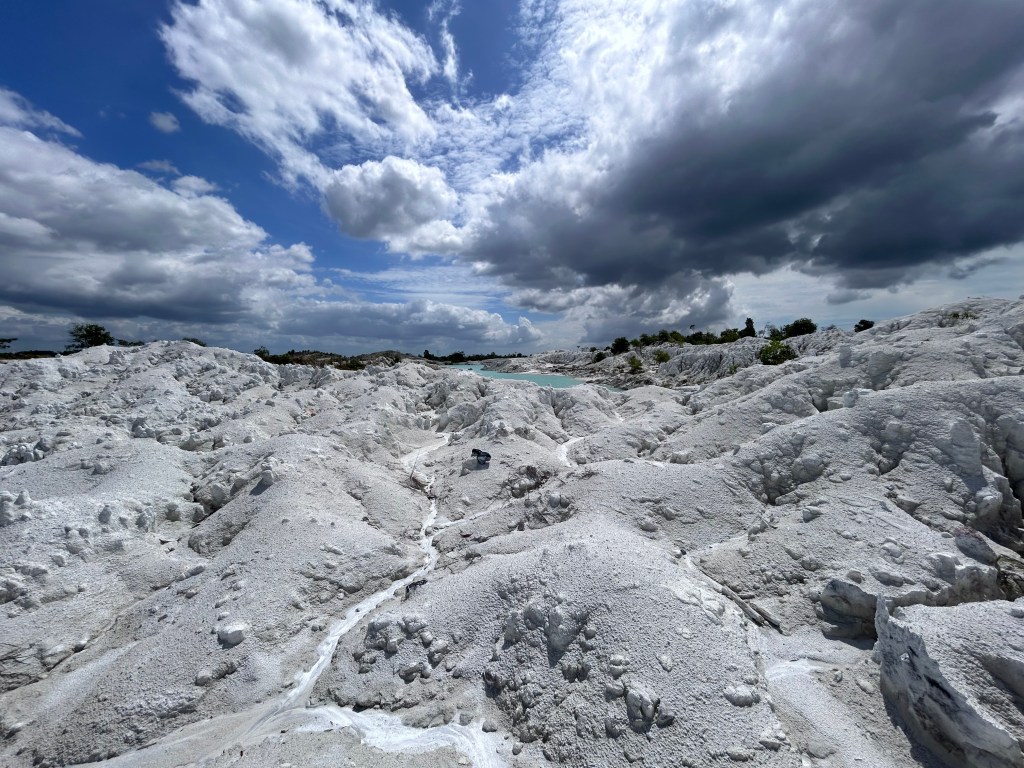
We live in an age of political geology. From conflicts over critical minerals to wars for fossil fuels, geology is political. We need new ways of understanding how geology has shaped the modern world, and ourselves.
Photo credit: Tin mine tailings, Indonesia. Adam Bobbette, 2024.

How are we governing the extraction of critical minerals for global transition to renewable energy?
SUSAN PARK, TERESA KRAMARZ & CRAIG JOHNSON – JANUARY 14, 2025
The rapid uptake of renewable energy globally is welcome. Yet it depends on mining critical minerals. This can impact on communities and ecosystems. Here we look at attempts to mitigate these impacts through transnational initiatives.
Photo credit: Uyuni, Bolivia, August 2023 by Craig Johnson

Decolonizing environmentalism: Dismantling the theatre of western affluence for a just and emancipatory environmentalism
PRAKASH KASHWAN & ASEEM HASNAIN – DECEMBER 11, 2024
Our new book, Decolonizing Environmentalism: Alternative Visions and Practices for Environmental Action (2024), traces the roots of extractivist models of development to the Eurocentric narratives of progress and development, which cater to the consumerism of a small section of humanity.
Photo credit: Times Square, New York City (HDR) by Francisco Diez, via Wikimedia Commons, made available under the Creative Commons Attribution 2.0 Generic License
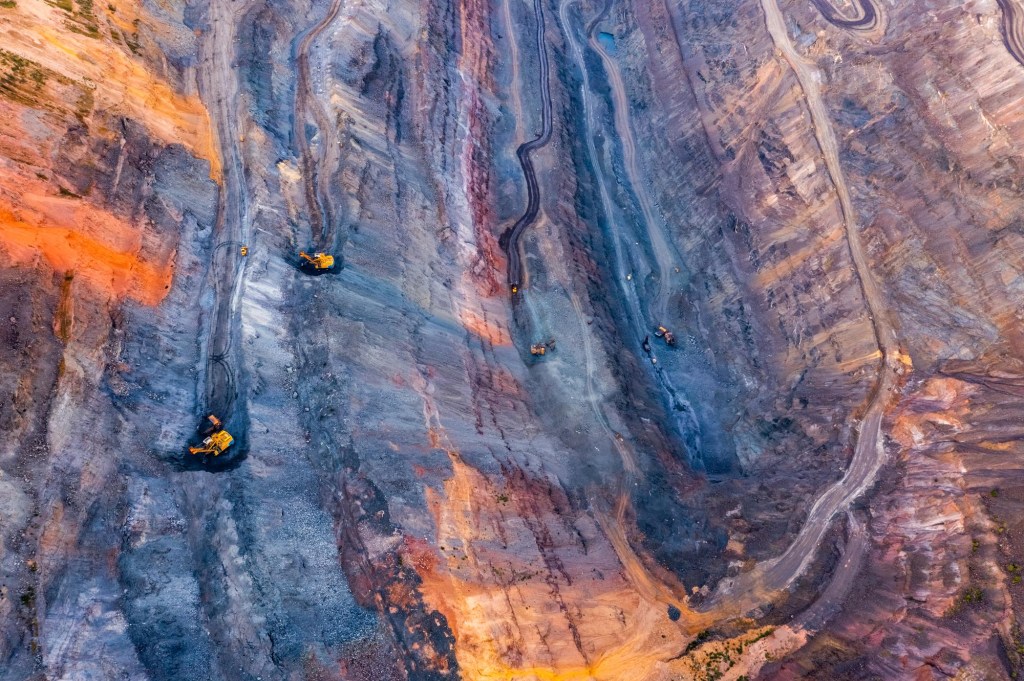
Can the EU’s Critical Raw Materials Act enable a self-reliant supply? An in-depth look
BERNHARD TRÖSTER, KARIN KÜBLBÖCK, SIMELA PAPATHEOPHILOU – NOVEMBER 28, 2024
The EU’s Critical Raw Materials Act (CRMA) introduced its first legislation to secure a stable and resilient supply of critical raw materials for its green and digital transitions by boosting extraction, processing, and recycling within Europe. We take a detailed look at the Act, exploring how it seeks to boost EU internal supplies – and at what cost.
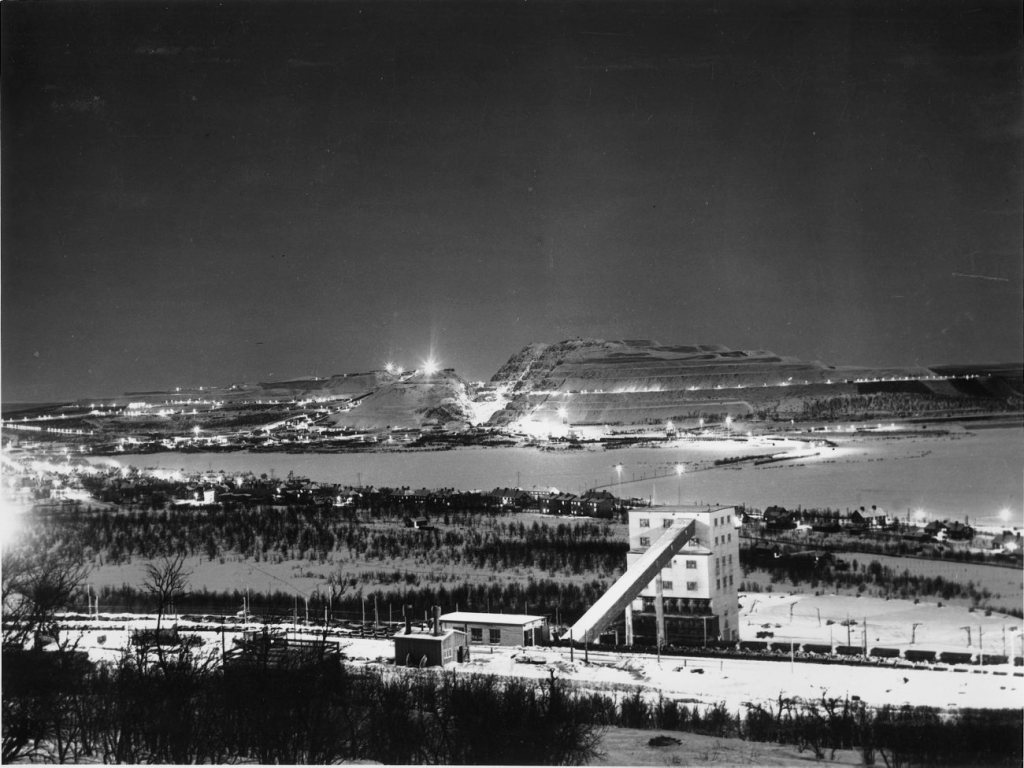
A Sámi intervention on the energy transition
STEFAN MIKAELSSON – OCTOBER 15, 2024
More than half of the resource base of energy transition minerals and at least 54% of energy transition mining is located on or takes place near the lands of Indigenous and peasant peoples. It is crucial that Indigenous rights holders and peoples living on these lands are actively involved in decision-making. As an Indigenous representative and Deputy Chair of the Board of the Sámi Parliament of Sweden, I attended the Beyond Hot Air workshop in Vienna in May 2024 and made the following intervention, adding a critical voice to the ongoing conversation about critical raw materials (CRM) and the European energy transition.
Photo credit: A6141 Kiirunavaara by moonlight, National Museum of Science and Technology, Sweden, via Wikimedia Commons, made available under the Creative Commons CC0 1.0 Universal Public Domain Dedication

Beyond stereotypes in NIMBYism: The nuances of local resistance and “common good” in Europe’s Green Transition
CHERRY JACKSON – OCTOBER 1, 2024
As Europe accelerates its green transition through e-mobility, renewable energy and advanced communication technologies, the demand for critical raw materials (CRM) is set to rise sharply. There is also continued used in military applications. The extraction of these materials often stirs controversy, particularly when mining is proposed in Europe’s own “backyard.” This blog delves into the complexities of NIMBYism (“Not In My Backyard”) in this context, challenging the simplistic view that local resistance to mining is merely selfishness.
Photo credit: generated using AI generator FireFly (Adobe) by Cherry Jackson
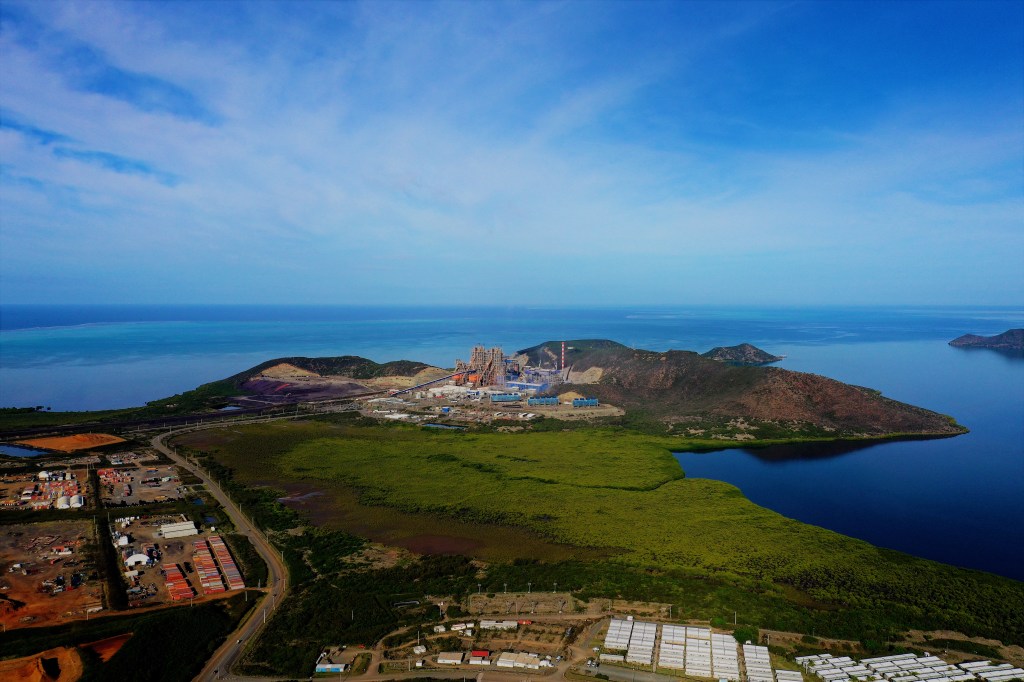
The nickel sector in crisis – example of New Caledonia-Kanaky
JEAN-LOUIS THYDJEPACHE, MATTHIAS KOWASCH, SIMON P.J. BATTERBURY – SEPTEMBER 11, 2024
Global demand for nickel is strong and expected to rise until at least 2040, particularly for energy and digital transitions, and a strong growth of EV vehicles, with their batteries requiring ca. 40kg of nickel. Nickel is therefore on the EU list of 34 critical raw materials (CRMs) (EC, 2023). But traditional suppliers of the mineral have changed.
Le secteur du nickel en crise – exemple de la Nouvelle-Calédonie-Kanaky
La demande mondiale de nickel est forte et devrait augmenter au moins jusqu’en 2040, en particulier pour les transitions énergétique et numérique, avec une forte croissance des VE dans le secteur des transports, les batteries des VE nécessitant environ 40 kg de nickel. Le nickel se trouve alors sur la liste de l’UE des matières premières critiques (MPC) qui comprend en 2023 un total de 34 matières. Mais les fournisseurs traditionnels de ce minéral ont changé.
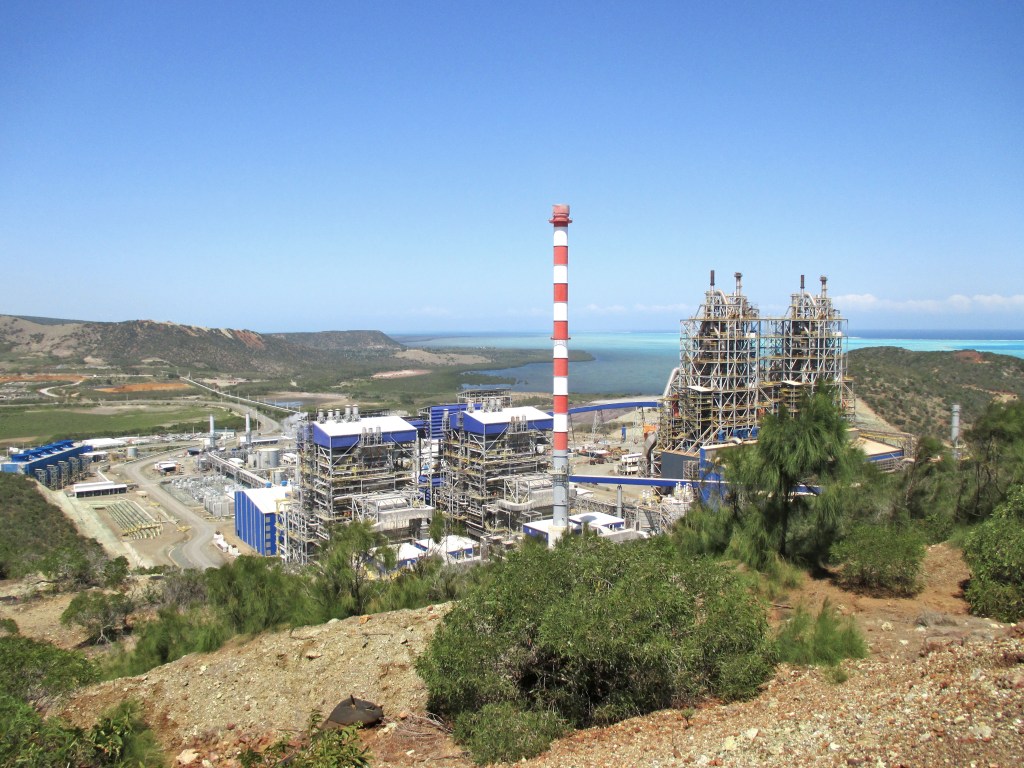
Photo credit: The Koniambo plant on the Vavouto peninsula. Source: KNS, 2024
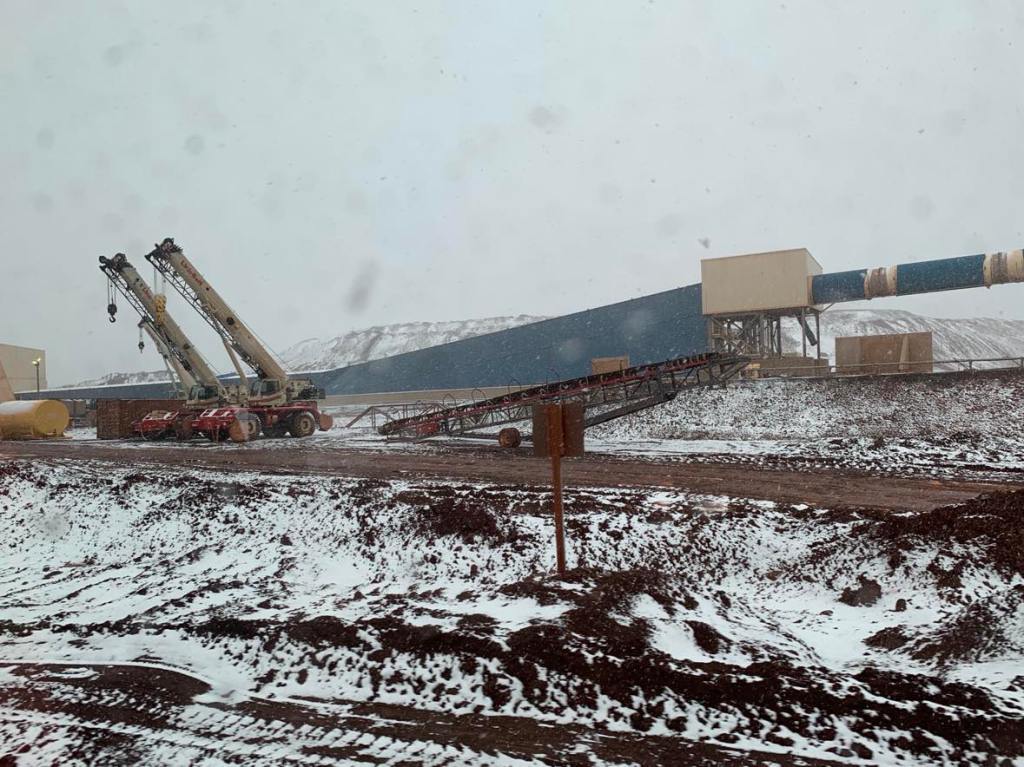
Is Canada’s critical-minerals strategy a green shift or greenwashing?
THIERRY RODON & SOPHIE THÉRIAULT – AUGUST 14, 2024 ORIGINALLY PUBLISHED IN POLICY OPTIONS POLITIQUES
Indigenous and remote communities will bear the long-lasting ecological, social and cultural impacts of mining. This cannot be ignored.

Six key questions on mining for the energy transition
THE BEYOND HOT AIR TEAM – JULY 9, 2024
In May 2024, the Beyond Hot Air network hosted a multi-stakeholder workshop at the University of Vienna to promote more sustainable and inclusive decision-making around the mining of critical raw materials (CRM) for the energy transition. The workshop sought to encourage honest and open debate among stakeholders representing a multitude of interests, and find areas of common ground for disparate groups to converse meaningfully.
The expertise and practice of resource-making: Critical raw materials for whom and for what?
ERIKA FAIGEN (University of Vienna) – JULY 8, 2024
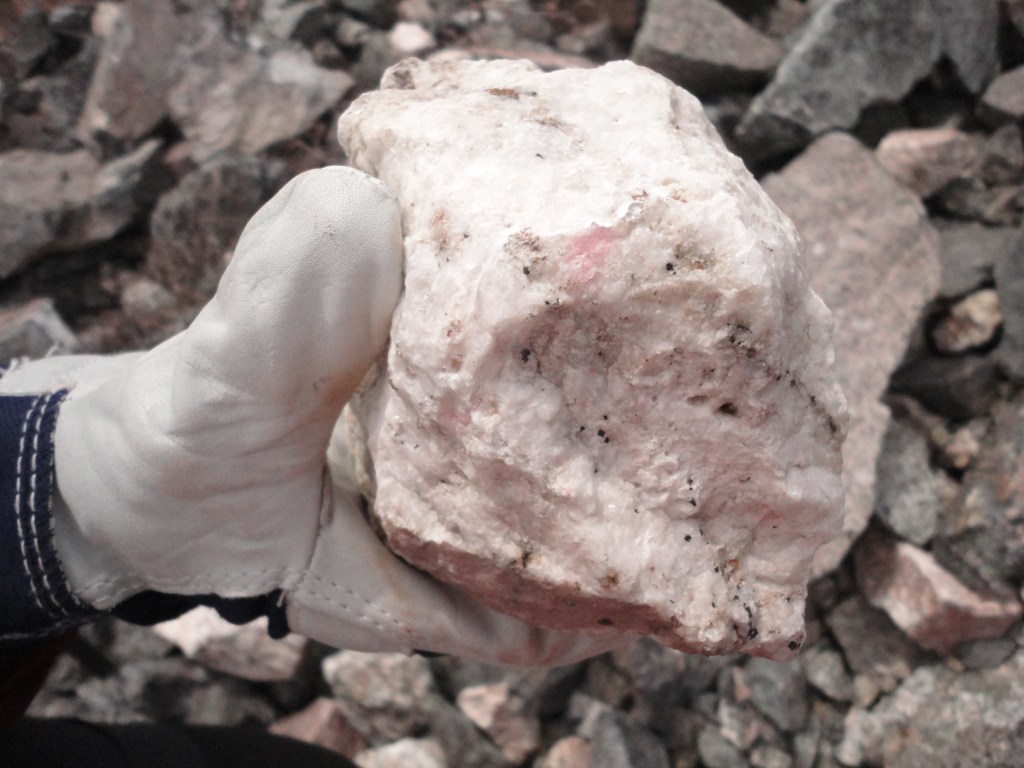
Critical Raw Materials (CRM) do not exist, they are made. I will explain how and why. They are made in decision-making practices and processes. Critical raw materials are part of many conversations in the media and civil society, in government, in public organizations, in academia, in civil society organizations, in firms and industry associations.
Photo credit: Tugtupite inclusions in a rock sample from the Ilímaussaq intrusion, South Greenland. Source: Erika Faigen, GEUS field research in June 2013.
Critical Raw Materials and the construction of criticality
GABRIEL EYSELEIN (University of Vienna) – APRIL 9, 2024
Raw materials (RM) are a crucial part of our everyday lives and the backbone of the economy: Nearly every economic process starts in some form with raw materials. Whereas some of these materials are omnipresent, like oil, others remain outside the broader public’s eye, like niobium or bismuth. But from time to time, and often because of technological developments or scandals connected to their extraction, certain raw materials step into the spotlight.
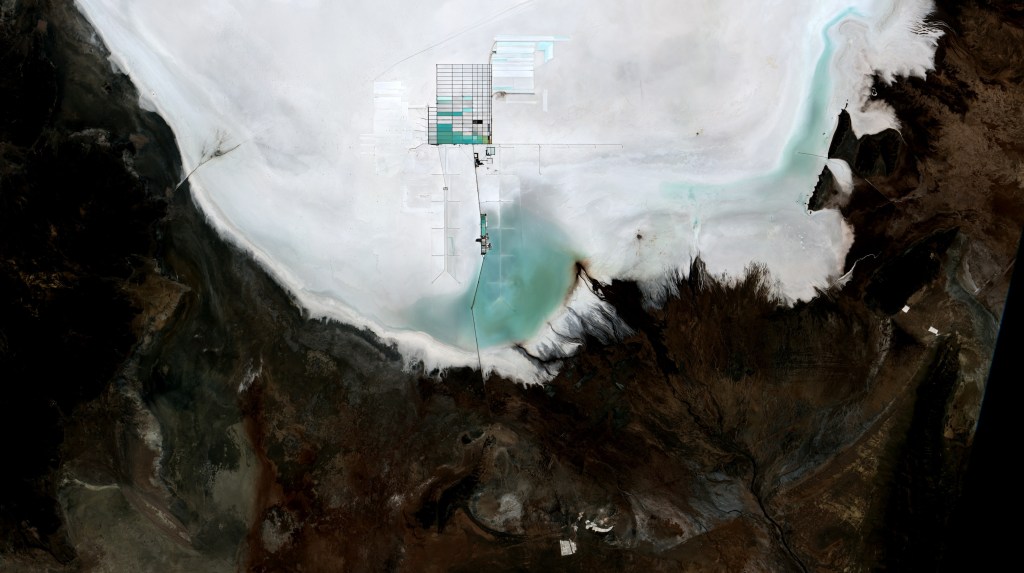
Photo credit: Lithium mine at Bolivia´s Uyuni Salt Flat, on a CBERS4 MUX yesterday´s image” by Coordenação-Geral de Observação da Terra/INPE is licensed under CC BY-SA 2.0.
Too much consumption – too little resources?! Types and quantities of Critical Raw Materials needed to meet growing demands on the globe
FRANK MELCHER (University of Leoben) – APRIL 3, 2024
Batteries for electric vehicles, wind turbines, mobile phones, computers – these users of critical raw materials (CRM) are everyday items, and demand is growing. But there are a lot more uses for CRM, especially in well-established industries. Unless Western economies reduce their consumption very substantially, more CRMs are needed.
Single-use vaping and lithium waste: a UK perspective
EMMA WILSON (ECW Energy & APRI) – FEBRUARY 22, 2024
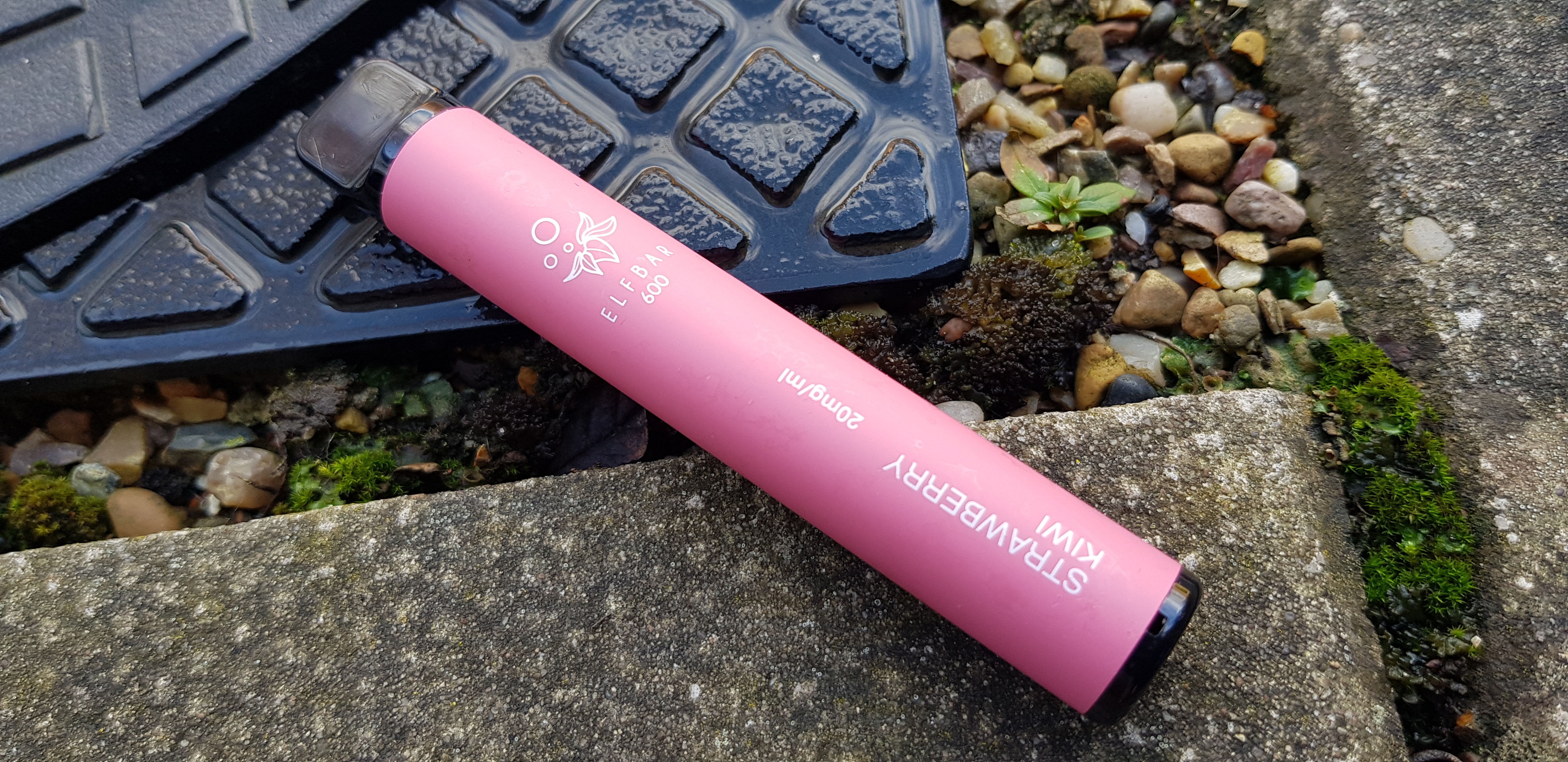
In January 2024, the UK government announced a ban on disposable e-cigarettes, primarily out of concern for the health of young people. The decision should also address the huge amounts of waste created by the burgeoning trend in the use of single-use vapes. UK vapers currently discard more than 5 million disposable vapes each week, with their built-in lithium-ion batteries.